
Meet the Doctor
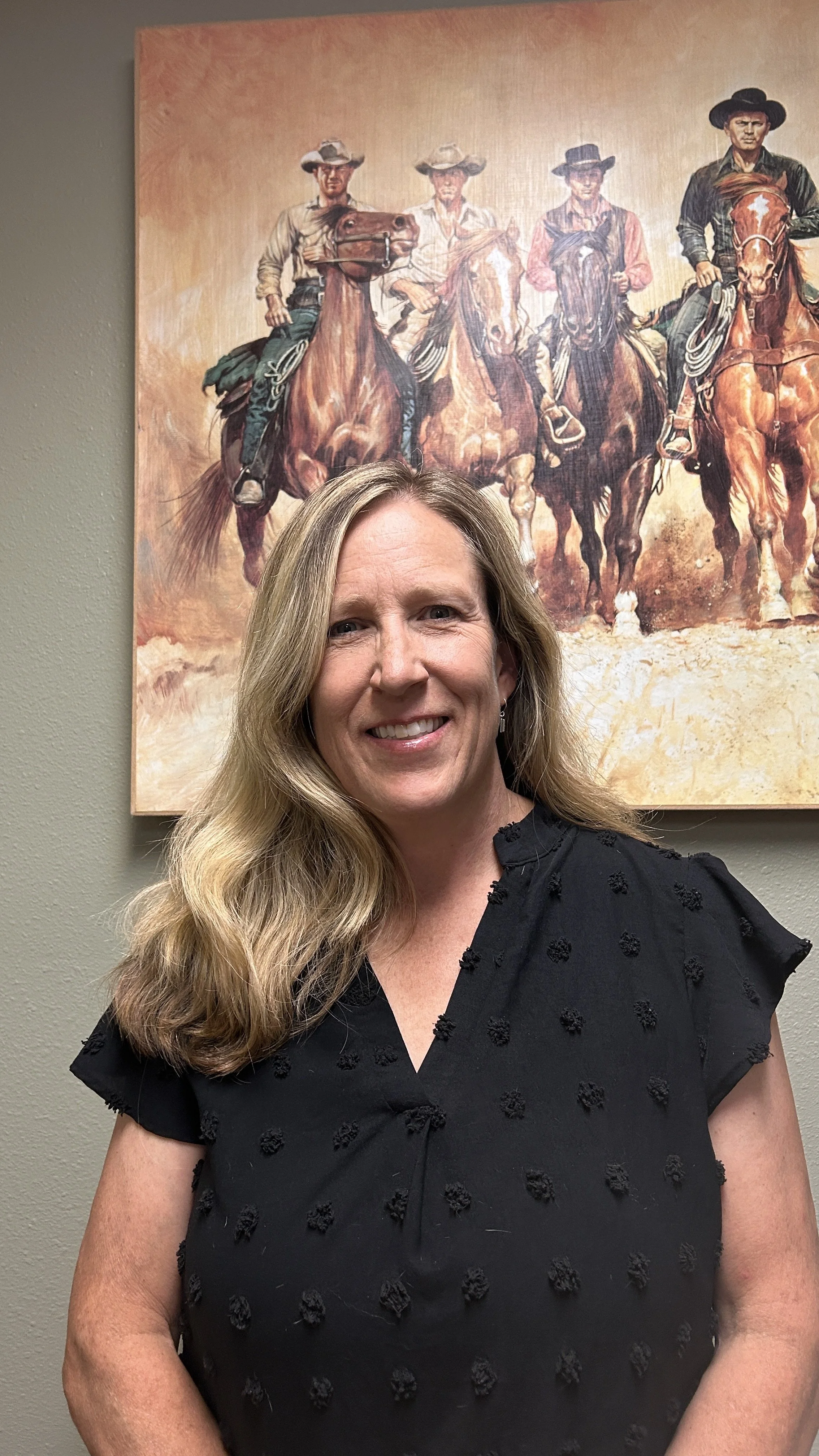
Dr. Kim Radway graduated from high school in Pueblo, Colorado, before earning a Bachelor of Science in Microbiology, magna cum laude, from Colorado State University in 1996. She then completed her Doctor of Veterinary Medicine at Colorado State University, graduating summa cum laude. Following veterinary school, she completed a rotating internship in medicine, surgery, and emergency medicine at The Veterinary Specialists of Northern Colorado in Loveland, Colorado, in 2001. For the next decade, Dr. Radway practiced small animal medicine in Steamboat Springs, Colorado, providing comprehensive medical and surgical care while also serving regular emergency duty. In 2008, she discovered her passion for diagnostic ultrasound and began advanced training at the Academy of Veterinary Imaging in Arlington, Texas. After completing every ultrasound course offered, she enrolled in the Academy's year-long DVM Imaging Program, successfully completing the certification examination in February 2011. During this time, she founded Rocky Mountain Veterinary Ultrasound, initially balancing a growing mobile ultrasound practice with full-time general practice. In July 2011, she transitioned to ultrasound full time and has since provided advanced diagnostic imaging services to veterinary practices throughout the Rocky Mountain region.
From May 2011 through May 2013, Dr. Radway also worked one week each month with New Jersey Mobile Associates, one of the nation's highest-volume mobile veterinary ultrasound practices. This experience provided invaluable mentorship and further refined her expertise in mobile diagnostic imaging.
In December 2013, Dr. Radway achieved board certification as a Diplomate of the American Board of Veterinary Practitioners (ABVP). The ABVP is one of 21 veterinary specialty organizations recognized by the American Board of Veterinary Specialties, a division of the American Veterinary Medical Association, and certifies veterinarians who demonstrate exceptional excellence in clinical practice.
Outside of veterinary medicine, Dr. Radway enjoys spending time with her husband and two daughters. Their family loves taking advantage of Colorado's outdoor lifestyle through skiing, hiking, and whitewater rafting. Their home is also shared with a variety of beloved animals, including a dog, cat, horses, and even a fish.
What is Ultrasonography
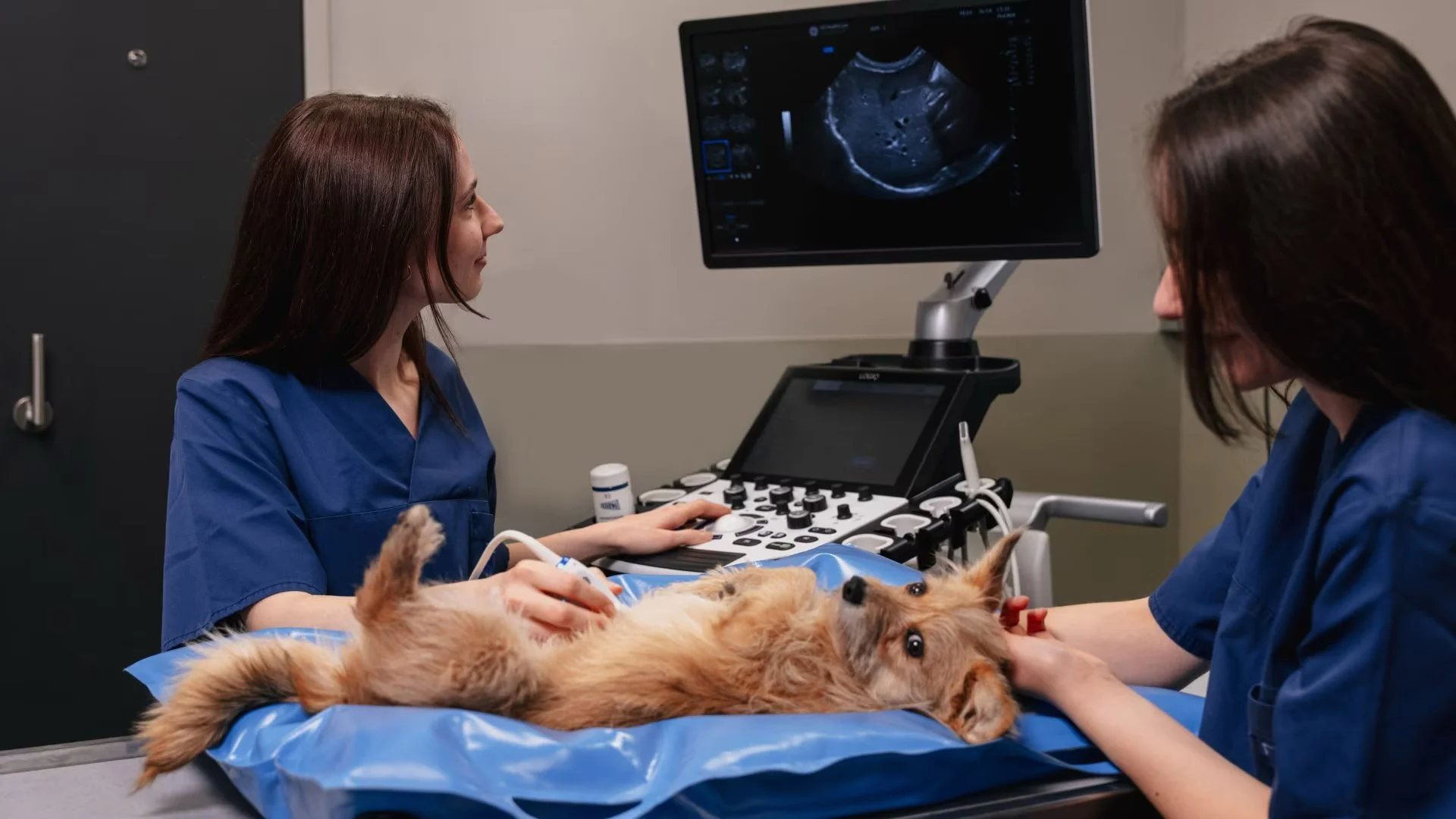
Ultrasonography is a safe, non-invasive imaging technique that uses high-frequency sound waves to create real-time images of the body's internal organs and tissues. Unlike X-rays, ultrasound does not use radiation and allows veterinarians to evaluate the structure and function of organs such as the liver, kidneys, spleen, bladder, heart, and gastrointestinal tract. It is an invaluable diagnostic tool for investigating illness, identifying abnormalities, guiding minimally invasive procedures, and monitoring ongoing medical conditions. Because images are generated in real time, ultrasound provides immediate information that helps veterinarians make timely and informed treatment decisions.
Abdominal Ultrasounds
Ultrasound is a painless look inside your pet’s abdomen, without exploratory surgery. With an abdominal ultrasound, we can see problems such as tumors, pregnancy, and obstructions in the digestive tract. If your pet has a problem with its kidneys, liver, bladder, spleen, or gallbladder, we can take a look to see if these organs have visible defects or concerns.
Echocardiograms
Echocardiogram looks at your pet’s heart. This imaging test is painless and allows imaging of your pet’s heart chambers, walls, valves, and the ability to pump. With echocardiograms, we perform an electrocardiogram, which measures the electrical activity of your pet’s heart. This provides more information to properly interpret findings of an echocardiogram.