
Emergency
Heat Exhaustion
What it is: Heat exhaustion occurs when a pet's internal body temperature rises above normal and their cooling mechanisms (like panting) cannot keep up. It can quickly escalate to life-threatening heatstroke if left untreated.
Signs they show: Excessive or noisy panting, heavy drooling, bright red gums, lethargy, vomiting, dizziness, and collapse.
Foreign Body
What it is: This happens when a pet swallows a non-food item (like a toy, sock, rock, or string) that gets trapped in their stomach or intestines, causing a painful and dangerous blockage.
Signs they show: Severe or repetitive vomiting, loss of appetite, straining to defecate, abdominal pain (guarding the belly), and lethargy.
Urinary Blockage
What it is: A life-threatening medical emergency where the urinary tract becomes physically blocked by stones, crystals, or mucus, completely preventing the pet from passing urine. This is especially common in male cats.
Signs they show: Straining frequently in the litter box or yard with little to no urine produced, crying or yowling in pain, frequent licking of the genital area, and lethargy or vomiting as toxins build up in the body.
Large Animal
Colic
What it is: A broad term for severe abdominal pain in horses or cattle, typically caused by gas buildup, a gut impaction, or a life-threatening twist in the intestines. It is a critical medical emergency that requires immediate veterinary attention.
Signs they show: Pawing at the ground, rolling repeatedly, biting or looking back at the flanks, sweating profusely, stretching out as if to urinate, and a lack of normal manure production or gut sounds.
Dystocia
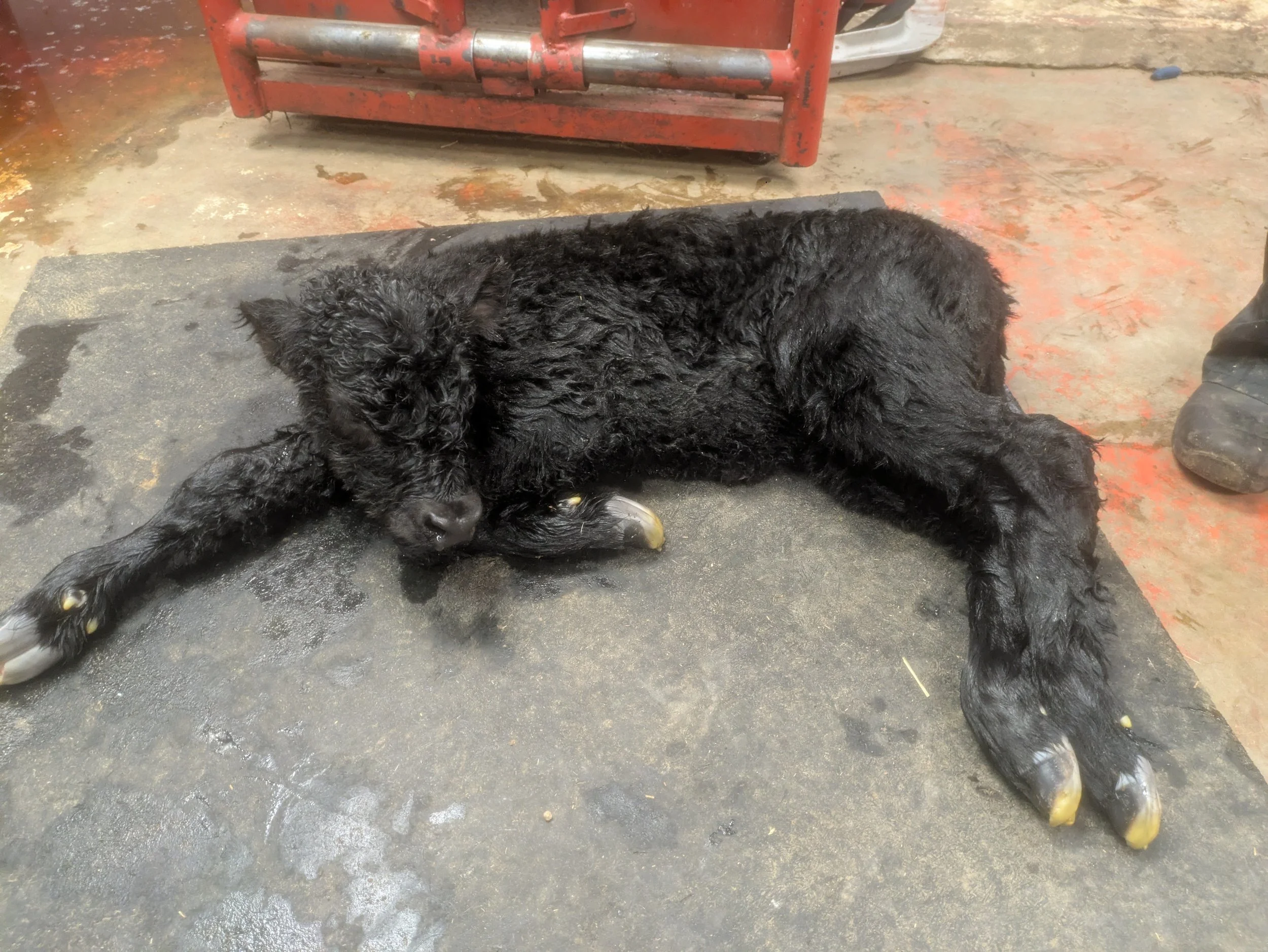
What it is: A critical birthing complication where a pregnant animal is unable to deliver her offspring naturally. This is usually caused by an abnormal birthing position (e.g., breech or a backward leg), an oversized fetus, or a narrow birth canal, endangering both mother and newborn.
Signs they show: Straining actively for over 30 to 60 minutes with no progress, only one foot or just the tail appearing, a foul-smelling discharge, and the mother becoming exhausted, trembling, or giving up and lying down.
Paw-pad Chemical Burns
What it is: Tissue damage to the sensitive skin of the paws caused by direct contact with harsh substances, such as household cleaning products, lawn chemicals, or winter ice-melt salts.
Signs they show: Limping or refusing to walk, excessive licking or chewing at the feet, redness or swelling between the pads, cracked, peeling, or bleeding skin, and vocalizing when the paws are touched.
Altitude Sickness
What it is: A condition caused by a lack of oxygen when a pet transitions too quickly to higher elevations, typically above 8,000 feet.
Signs they show: Heavy panting, excessive drooling, lethargy, increased heart rate, vomiting, pale gums, and dizziness or loss of coordination.
Bloat
What it is: A dangerous condition in ruminants (cattle, sheep, and goats) where gas becomes trapped in the rumen, either as a free gas bubble or mixed into a foam. The expanding stomach exerts massive pressure on the lungs, making it impossible for the animal to breathe.
Signs they show: Visible swelling on the upper left side of the abdomen (behind the ribs), heavy panting or breathing with an open mouth, frequent grunting, extension of the neck, and an inability to stand.
Severe Laceration
What it is: Deep cuts or tears in the skin and underlying tissue, often caused by wire fences, farm equipment, or trailer accidents. In large animals, these wounds frequently involve underlying structures like tendons, joints, or major blood vessels, risking permanent lameness or fatal blood loss.
Signs they show: Profuse or pulsing bleeding, visible muscle or bone tissue, gaping skin flaps, sudden severe lameness, and signs of shock like cold ears or pale gums.
Eye Injuries
What it is: Physical trauma to the eye structure, such as scratches on the cornea, punctures, chemical irritation, or proptosis (where the eyeball displaces forward out of the socket). Eye issues escalate rapidly and can cause permanent blindness if treatment is delayed.
Signs they show: Squinting or holding the eye completely shut, excessive tearing or thick discharge, redness or cloudiness over the eye surface, frequent pawing or rubbing at the face, and sudden swelling around the eyelid.
Severe Allergic Reaction (Anaphylaxis)
What it is: A sudden, severe, and potentially fatal systemic allergic reaction typically triggered by insect stings, vaccines, medications, or specific foods. It causes a massive release of chemicals that can constrict airways and cause blood pressure to crash.
Signs they show: Sudden swelling of the face, muzzle, or eyes, hives or severe itching, sudden vomiting or diarrhea, difficulty breathing, and collapse.
Gastric Dilatation-Volvulus (GDV)
What it is: A rapid, life-threatening condition primarily affecting large, deep-chested dog breeds where the stomach fills with gas and twists on itself. This cuts off blood supply to the stomach and spleen, trapping gas and quickly causing cardiovascular shock.
Signs they show: Unproductive retching (trying to vomit but nothing comes up), an visibly swollen or hard abdomen, heavy drooling, pacing, restlessness, and pale gums.
Choke
What it is: A blockage of the esophagus, usually caused by a horse or cow swallowing poorly chewed food, a large piece of fruit, or dry feed too quickly. Unlike human choking, it does not immediately block the airway, but it prevents the animal from swallowing and can lead to fatal aspiration pneumonia.
Signs they show: Saliva and food particles draining from the nostrils or mouth, repeated coughing, stretching or arching the neck, gagging movements, and visible panic or sweating
Acute Laminitis
What it is: A crippling medical emergency, most common in horses but also seen in cattle, where the sensitive tissues (laminae) that bond the hoof wall to the coffin bone become severely inflamed. Left untreated, the bone can separate, rotate downward, and puncture through the bottom of the hoof sole.
Signs they show: Shifting weight constantly, rocking back onto the hind legs to relieve pressure on the front feet, a hot hoof wall, a strong bounding pulse in the lower leg, and a total refusal to move or walk.
Hypothermia
What it is: A dangerous drop in core body temperature that occurs when a pet is exposed to freezing temperatures, wet conditions, or cold winds for too long.
Signs they show: Violent shivering followed by extreme lethargy, stiff muscles, pale or gray gums, slow shallow breathing, and unresponsiveness.
What qualifies as an emergency?
Call us immediately if your pet experiences difficulty breathing, collapsing, uncontrolled bleeding, seizures, severe vomiting or diarrhea, or signs of extreme pain. You should also seek urgent care if your pet has been hit by a car, is unable to urinate, or has ingested a toxin. While at home, you can check for critical warning signs by looking at your pet's gums, breathing, and pulse. Healthy mucous membranes (gums) should be pink, so contact us right away if their gums appear pale, white, blue, or bright red. Additionally, watch for an abnormal respiratory rate outside the standard 15 to 30 breaths per minute. Finally, check for an abnormally fast or slow heart rate, though this can be difficult to measure accurately at home. As a general reference, a dog's normal heart rate is 70 to 140 beats per minute, while a cat's normal rate is 100 to 200 beats per minute.